How I design
Design thinking, applied: from a three-month full-time bootcamp through shipping interfaces myself. Six stages, with the artifacts from real projects at each one.
Tradecraft
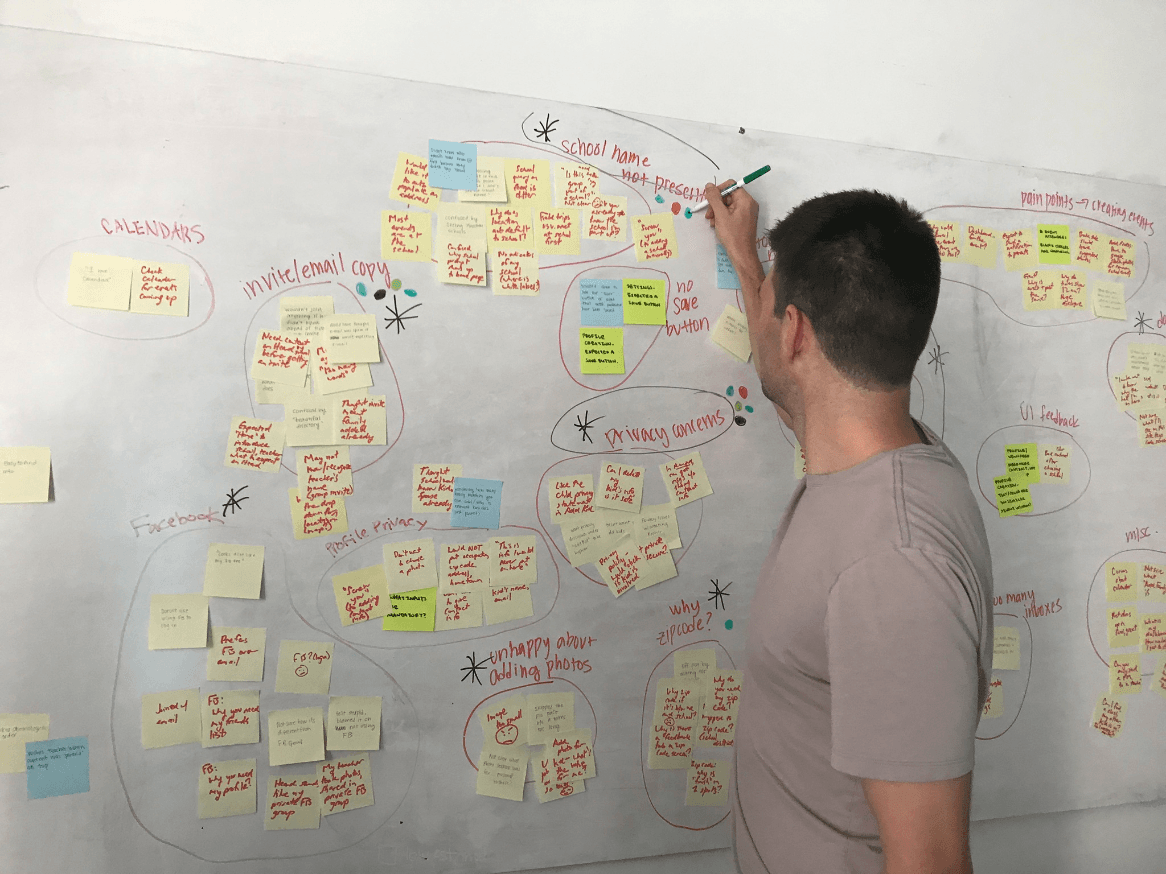
Tradecraft is a three-month full-time bootcamp for product designers I attended after feeling the need to improve my design skills while building a side project-turned-startup. The curriculum covered design thinking end to end: interviews, task flows, card sorting, personas, Jobs-to-be-Done, and more.
I worked with three seed-stage startups during and after the program, embedded with founding teams on live products: HEARD, a private social network for teachers and parents already live in six schools, and Fawn, a local vendor marketplace.
The Cole Group
At The Cole Group, an executive search firm, I was the only PM, and design was mine to own too. Clients, mostly first-time CMO and CRO hirers, were slow to make a hiring decision.
I interviewed every recruiter, executive assistant, and accounting staffer, sat in on client meetings, and worked through years of historical Salesforce data. That produced a task flow mapping the recruiting process end to end and the specific points of friction in it, refined over several rounds of feedback with founders and recruiters.
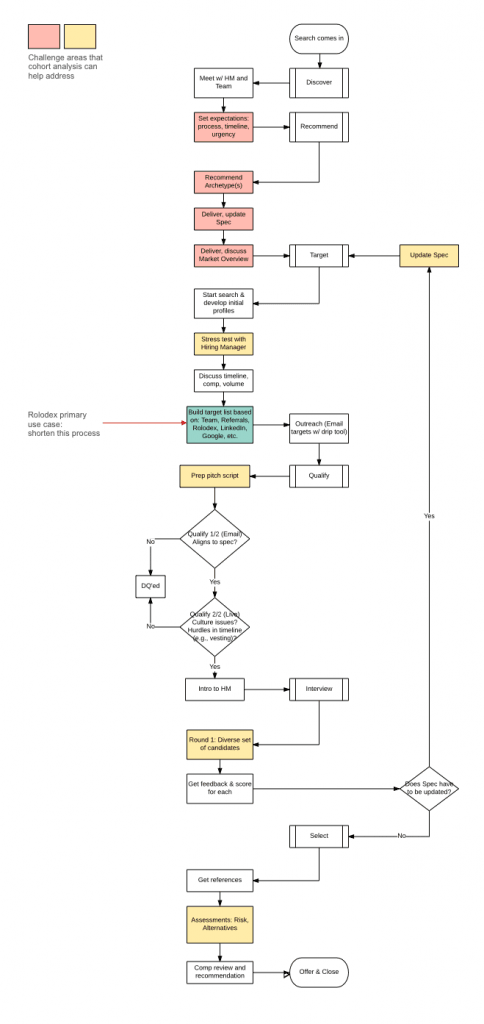
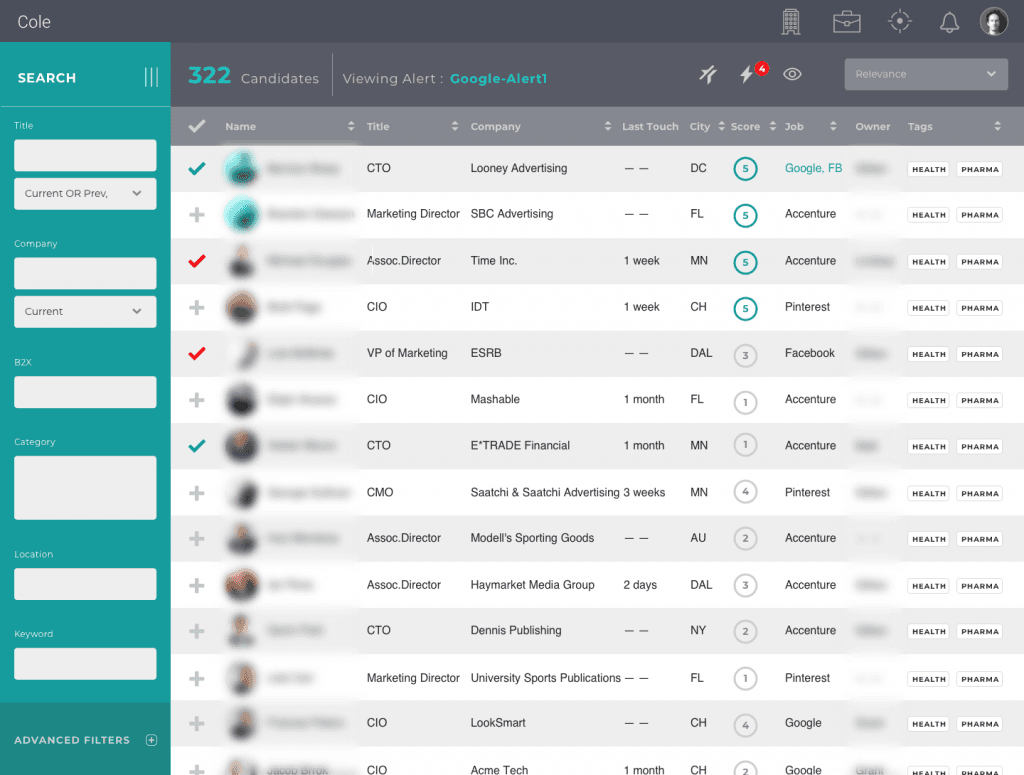
Rolodex, The Cole Group's internal recruiting tool, was built on rough initial mockups the founders had put together, not a design system. It was an internal tool for a handful of recruiters, not a customer-facing product, so I prioritized UX and workflow logic over visual polish.
Build it myself, 0 to 1
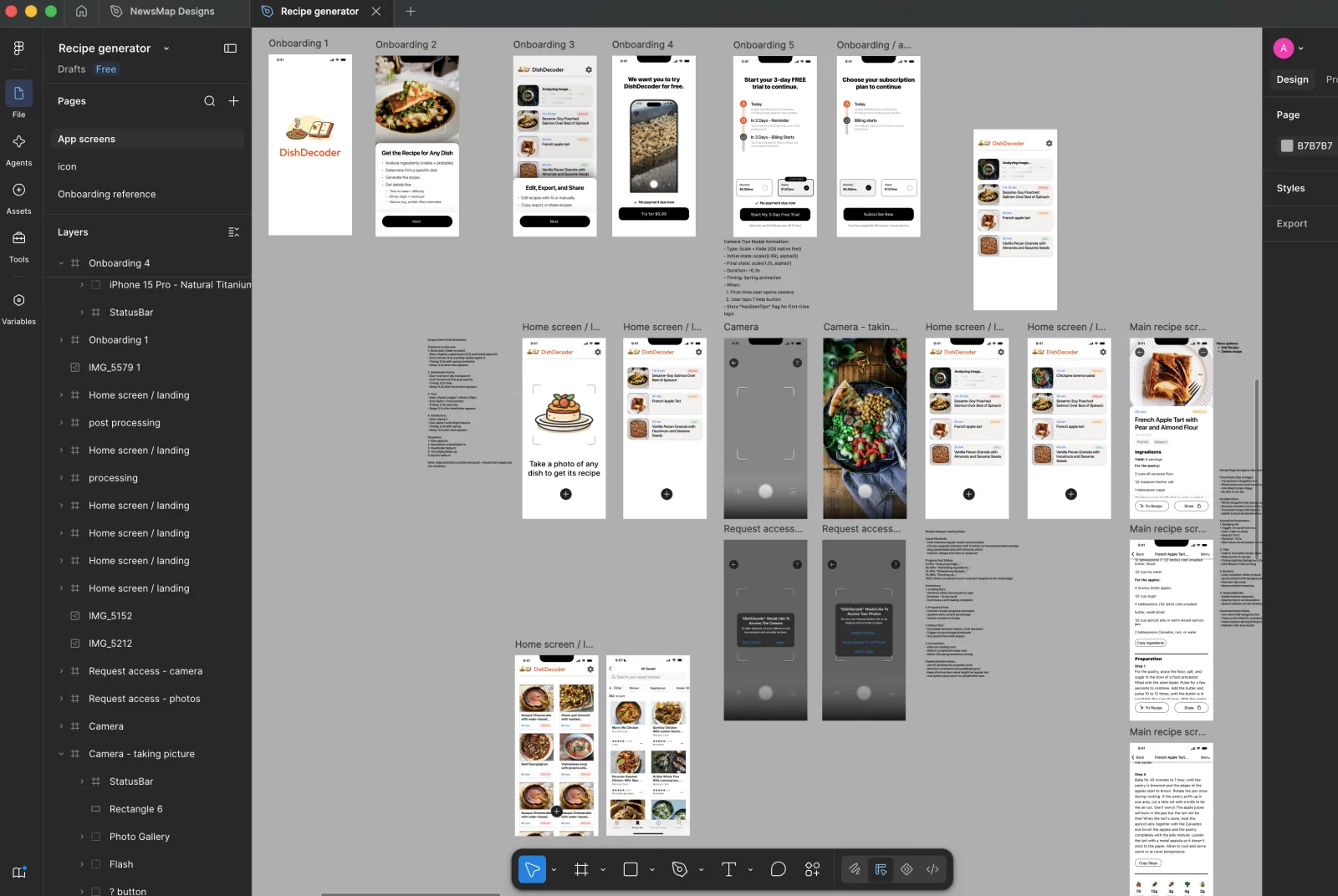
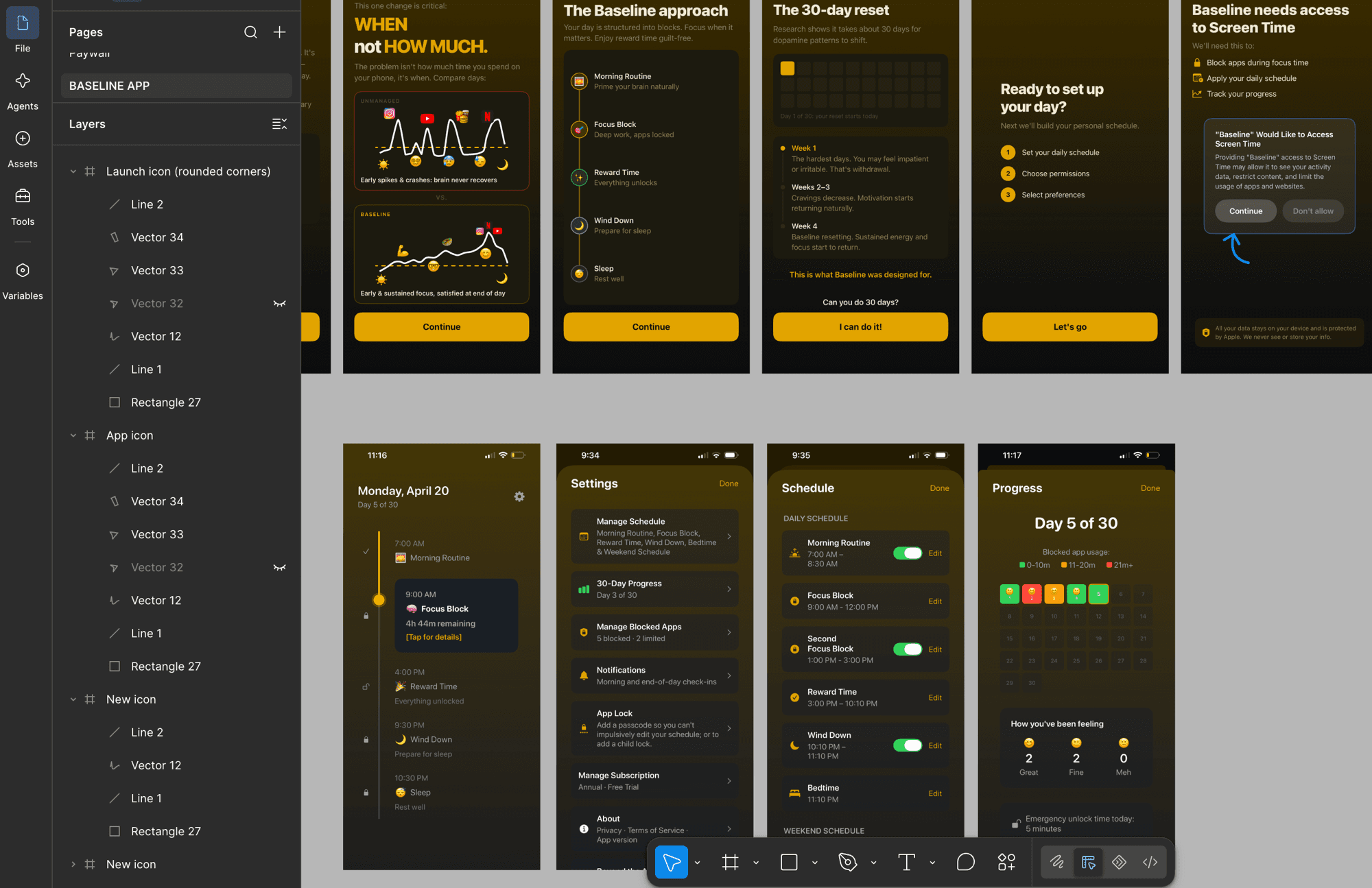
DishDecoder, an AI photo-to-recipe app, and Baseline, a dopamine-reset app for focus, were both designed screen by screen in Figma before I wrote a line of Swift, then built and shipped to the App Store.
Designing for Millions
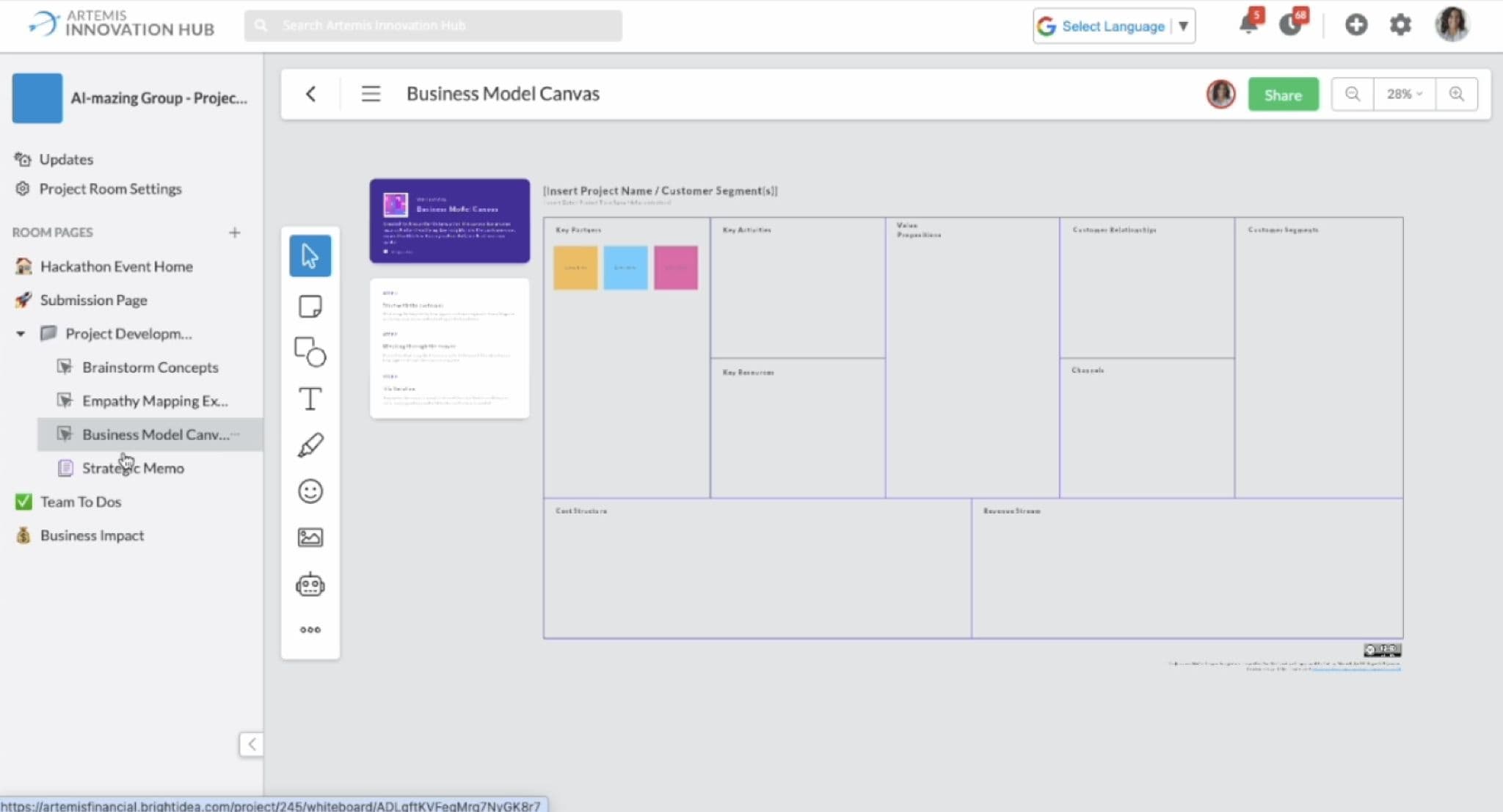
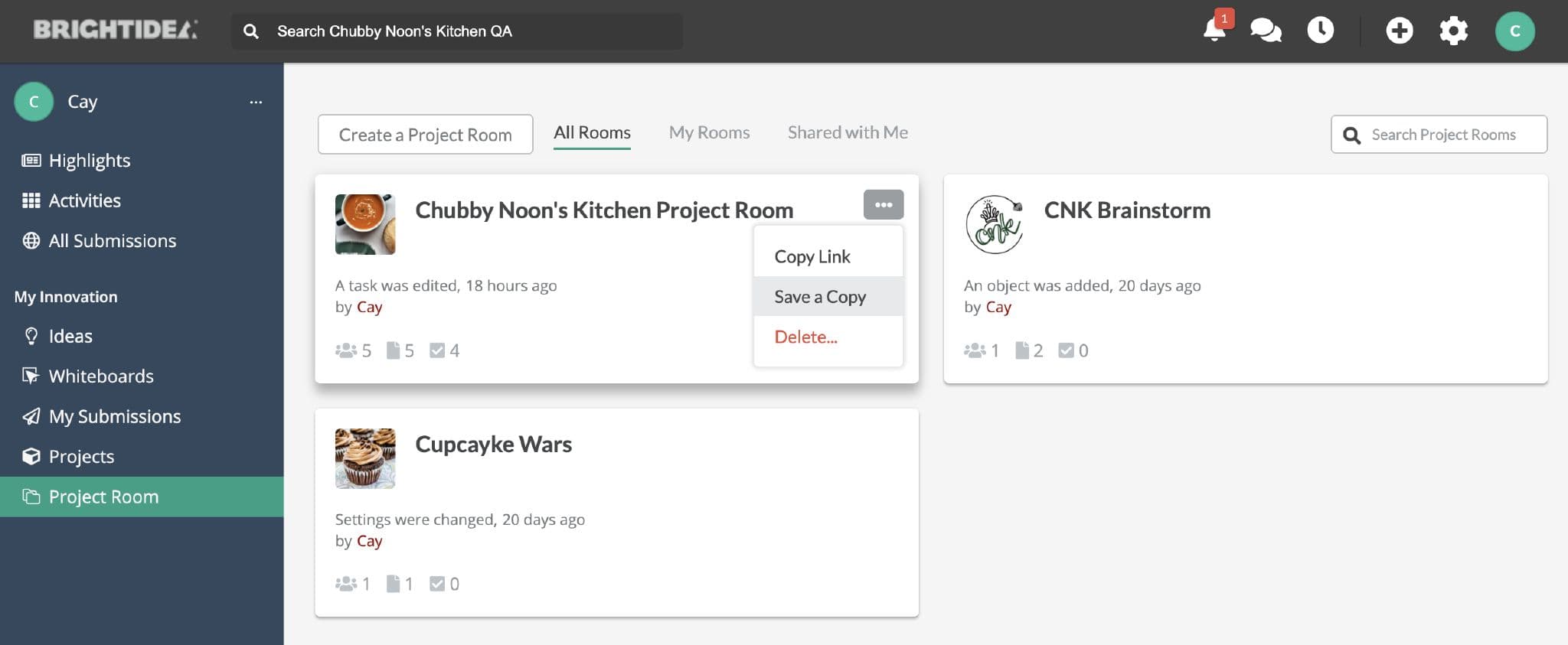
Brightidea's innovation management platform reaches millions of end users at enterprise customers including Nike, Amazon, and Merck. Project Room was a collaborative workspace feature within it: some customer teams were managing complex ideas with tools entirely outside the platform, so I sourced comparable patterns from what they were already using as workarounds (Notion, Dropbox, and others), then built initial wireframes and mockups in Figma to pin down the direction before handing them off to a design partner for further refinement.